
For a cybersecurity marketing team commissioning an explainer, a useful brief identifies the viewer, one threat or problem, the part your offering plays, and what the viewer should do next. Give your production team approved material for those points before choosing a visual style.
That gives the story something concrete to work with. “Explain our cybersecurity platform” leaves a lot unresolved. A brief about a specific payment-fraud scenario, and the exact point where your product helps, gives the writer and animation team a sequence they can show.
Put the viewer inside one situation
A message arrives from someone who appears to be a senior executive. There is a confidential acquisition, a request for discretion and a payment to arrange. The recipient has to decide whether to act.
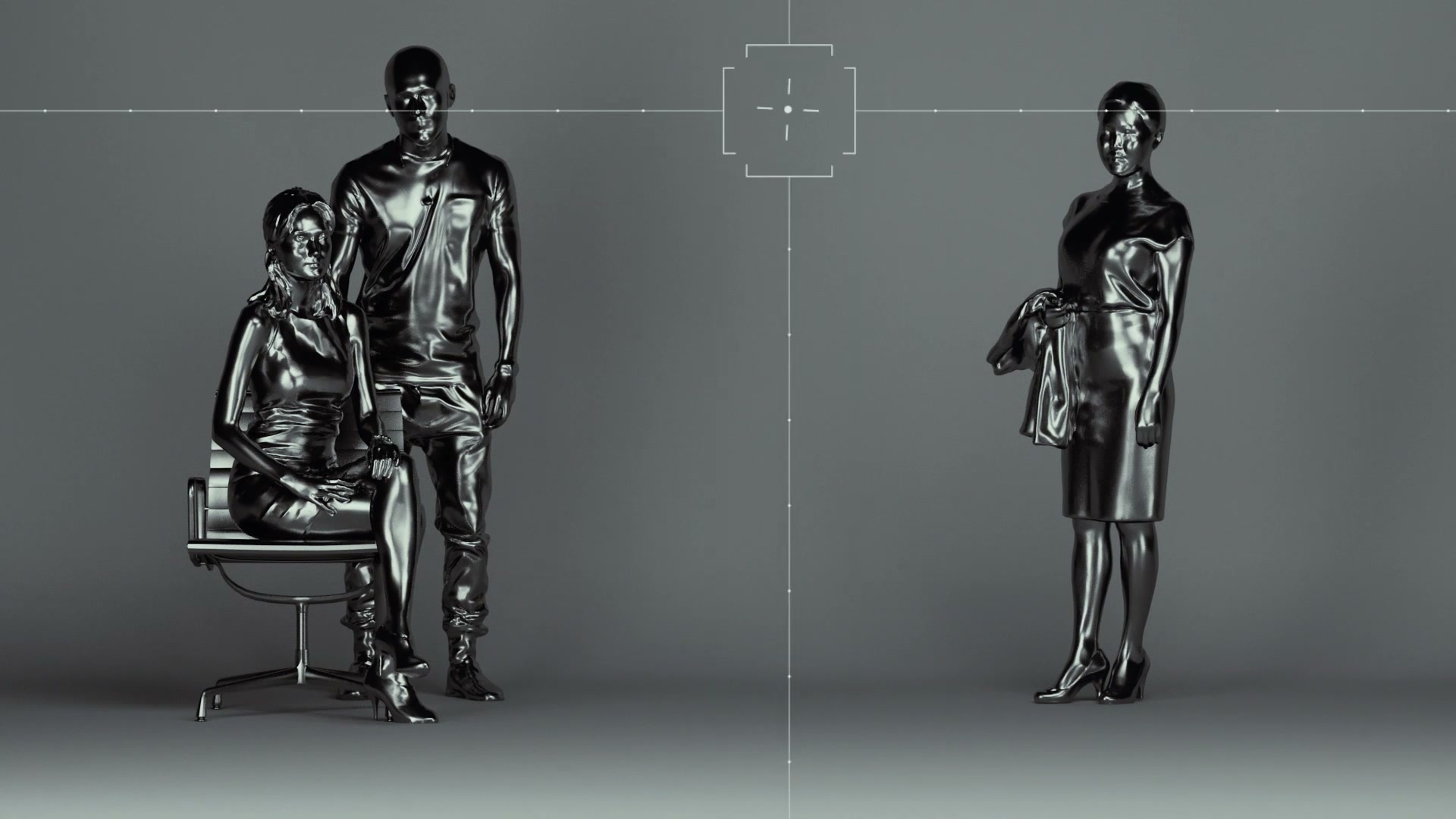
Our work for Edmund Insurance explained social-engineering fraud through that kind of situation. The film follows an impersonation and a payment request, using typography, graphic characters and 3D imagery to make the sequence visible. It is a traditional 3D animation and motion-graphics production.
Edmund Insurance · Social-engineering fraud · 3D animation. Figures and insurance wording reflect the original film.
See the Edmund project and creative approach
Fanis, our Creative Director, developed the concept, worked with our scriptwriter on the script, led the creative direction and oversaw production with our 3D animator. The intention was to tell a story through a distinctive, minimal 3D style that would give Edmund a tech-forward feel. The films formed a series introducing the company's offering to potential clients.
That gives this brief two connected jobs: make the fraud story easy to follow, and establish a visual character for the company presenting it. Minimal graphics can still be distinctive; the question is which elements carry the story and which establish the brand.
The useful creative lesson is in the sequence: a request, an assumed identity, an instruction and a consequence. Each part gives the next image a job. The viewer can follow what is happening before being asked to understand the larger category.
Edmund was an insurance client. This example shows how we communicated a fraud scenario; it does not demonstrate a security platform detecting or stopping an attack.
For current context, the FBI's Internet Crime Complaint Center describes business email compromise as fraud that can use social engineering or compromised accounts to cause unauthorized transfers. Read the IC3 explanation.
Decide who needs to understand it
“Business decision-makers” is a starting audience description. Make it more useful by naming the decision and the knowledge the viewer already has.
A finance leader considering payment-fraud exposure needs a different explanation from an analyst evaluating an investigation workflow. An employee learning a reporting procedure needs the approved action to be especially clear.
Write down what your viewer should be able to say after watching. For example: “I understand how this fraud unfolds, where our current process is exposed and why I should investigate this offering.”
Use that sentence to review the script and storyboard with your team. Does the explanation give the viewer enough information to reach that understanding?
Give each scene a specific job
Before discussing colour palettes or animation treatments, sketch the explanation in plain language. Here is a way to read the fraud story and turn it into questions for a new brief:
| Story beat | What the viewer needs to understand | Question for your team |
|---|---|---|
| A plausible request arrives | Why someone would pay attention | What makes this situation familiar to our audience? |
| An identity is assumed | How the deception works | Which relationship or piece of information is being exploited? |
| An instruction leads to action | Where the situation changes | What does the person or system do at this point? |
| A consequence becomes clear | Why the story matters | What can we accurately show, and what follows for the viewer? |
Walk through these four beats with your team, then identify where your own offering belongs in the story.
For a product explainer, add the approved product action at the relevant point. Be precise about whether the product flags, investigates, blocks or helps someone respond. Those actions create different stories and need different visuals.
For an insurance explanation, establish what the film can say about the offering and what wording needs review. A dramatic consequence should not imply that a policy covers something its approved terms do not support.
Show the mechanism in a way the viewer can follow
Motion graphics can show a relationship that is hard to film: a request passing between people, information being interpreted, or a decision leading to a consequence.
In the Edmund example, the changing identities and instructions give the graphic elements meaning. Typography carries parts of the story; characters establish who is involved; 3D imagery makes the financial consequence tangible.
Your brief can leave room for a different visual treatment. What needs to stay clear is who acts, what changes and why it matters.
Separate the visual metaphor from the actual capability. A visual treatment can suggest a protective boundary, for example, while the explanation still needs to identify what the offering really does and any important limits.
Agree which details need approval
Give the production team the source material needed to check the story: an approved product explanation, relevant screens, diagrams, claims and any required wording.
Identify who can approve technical accuracy and who reviews legal or compliance language where needed. Agree when they will review the script and storyboard, before those decisions become finished animation.
Product screens deserve their own check. Use real, current material when a scene is meant to demonstrate a workflow. If the design is illustrative, make that distinction clear.
The same principle applies to AI-generated imagery: a convincing image still needs to match the claim it is being used to explain. The Edmund film uses traditional production; a future project's production method should follow its accuracy and creative requirements.
Plan the use and the next step
Tell your production partner where the film will be seen. A narrated website explainer, a sales presentation and a looping event screen place different demands on text, sound and pacing.
List the versions you actually need: placements, aspect ratios, captions, languages and any shorter edits. Include the launch date, budget range and review availability so the scope can be discussed together.
Choose a next action that follows naturally from the explanation. Someone evaluating a product may need a workflow demonstration or a conversation with the team. A training viewer may need an approved procedure. Give that next step a destination.
Our Port53 cybersecurity brand film shows another approach from our work. It creates a human threat story for the brand rather than walking through a full product interface. If format choice is still unresolved, our explainer, product demo and brand film guide covers that earlier decision.
A short brief to send your production partner
Bring these answers to the first conversation:
- Viewer: Who will watch, what do they already know and what are they deciding?
- Situation: Which specific threat, problem or use case will the film explain?
- Offering: What exactly does your product or service do in that situation?
- Evidence: Which approved claims, screens, diagrams and source documents can the team use?
- Review: Who signs off on the story, technical details and required wording?
- Delivery: Where will the film run, which versions are needed, and what are the deadline and budget range?
- Next action: What should the viewer do after watching, and where will you send them?
You can start with an existing deck or product page. The first useful decision is which story the video needs to explain.
Planning a cybersecurity video?
Future Video Media makes explainers, motion graphics and AI video. Send us your brief with the audience, one use case and a link to your product or existing material. We can discuss the story, production approach and scope from there.